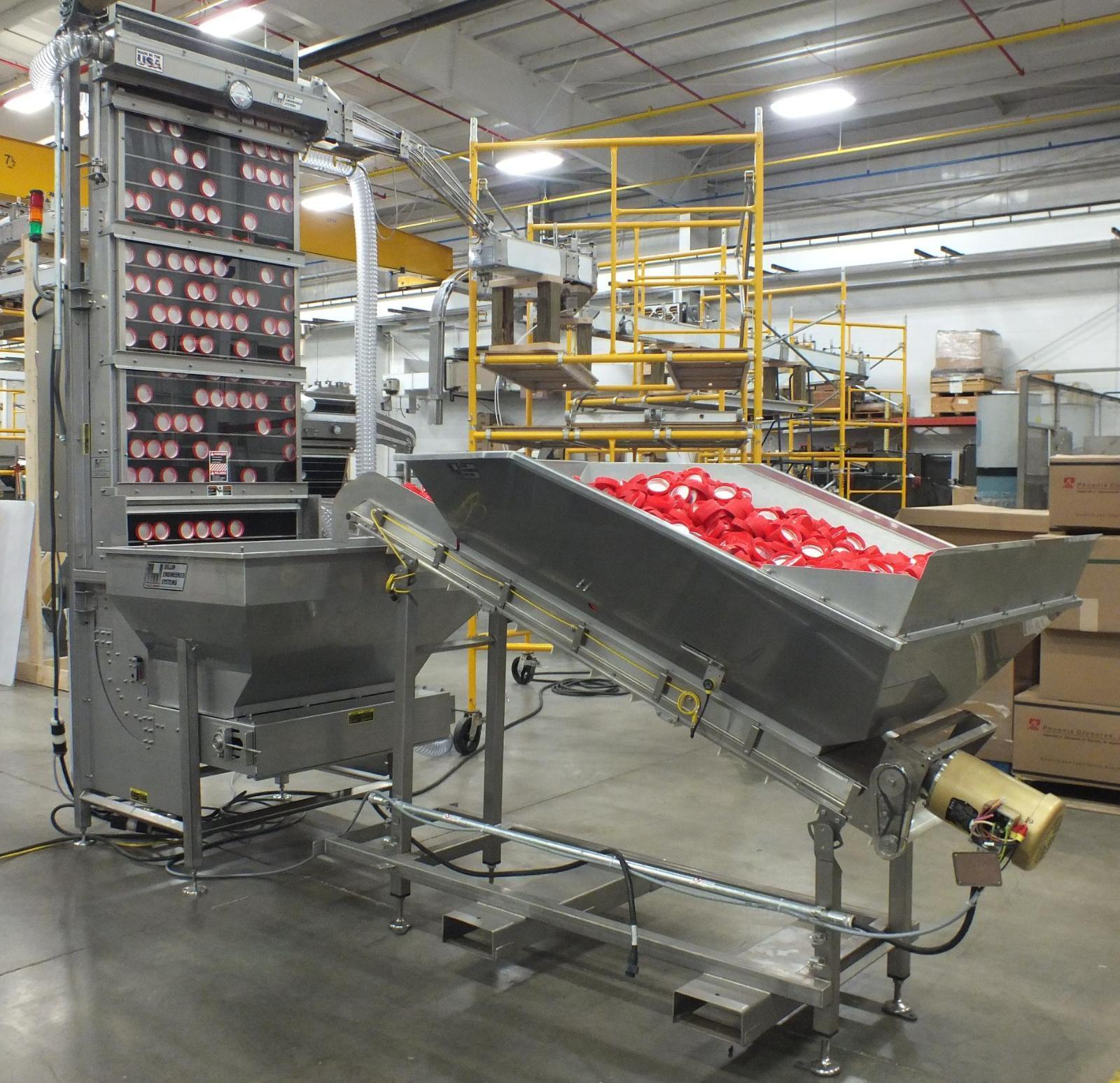
Factories today move fast. Production teams want equipment that saves room, cuts waste, and keeps products moving without long pauses. Small production spaces are now common, especially in growing industries where every inch matters. Compact filling systems fit neatly into these setups and still handle large workloads. Operators also prefer machines that are simple to clean and easy to adjust between batches. This helps businesses manage different products without slowing down daily output. Smart layouts, better controls, and cleaner designs now shape how manufacturers choose equipment for modern packaging environments across many industries worldwide.
Semi-Automatic Filling Equipment Improving Accuracy Levels
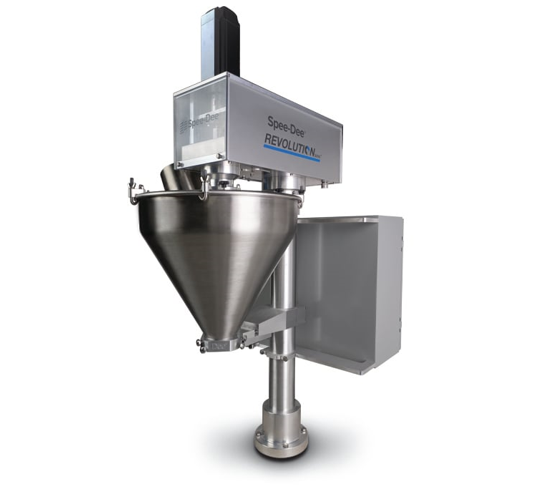
Accuracy is everything when products are packed in large numbers each day. Even tiny mistakes can create material loss, uneven packaging, or customer complaints. That is why many industries now depend on semi-automatic auger fillers for powders and dry materials needing exact measurements. These systems help reduce overfilling while keeping product flow smooth and controlled. Another benefit is operator comfort because settings are easier to manage than older equipment. Food, chemical, and pharmaceutical companies often choose these systems for dependable performance. Better accuracy also lowers waste, which quietly improves long-termoperating costs for manufacturers of every size.
Modern Manufacturing Lines Need Flexible Filling Solutions
Production lines rarely stay the same for long. One month, a factory may package spices, and the next month, protein blends or coffee powder. Flexible filling equipment makes these shifts easier without major downtime. Manufacturers now search for machines that can adapt quickly with minimal manual changes. Compact designs also allow factories to add new equipment without rebuilding entire workspaces. This matters for businesses planning future growth. Easy adjustments, simple controls, and faster cleaning routines all support smoother operations. Modern filling systems are built not only for current needs but also for changing production demands over the coming years.
Rotary Filling Systems Helping Packaging Operations Run Smoothly
Modern packaging floors look very different from older production areas. Automation has simplified many tasks once handled manually by workers for long hours. Sensors, touch panels, and controlled filling speeds now improve consistency from one package to another. Many companies are also adding rotary fillers because they support continuous movement and faster production cycles. These systems help reduce waiting time between packaging stages and improve overall workflow. Cleaner operation is another major advantage since reduced product spills help maintain hygienic conditions. As production targets continue rising, automation gives manufacturers a practical way to maintain both speed and quality.
Efficient Space Management Through Compact Filling Machinery
Industrial spaces are expensive to expand, which makes compact machinery more valuable than ever before. Businesses want equipment that performs efficiently while occupying less floor area. Smaller systems also simplify movement around production zones, making maintenance and inspections easier for workers. Compact filling machines often integrate smoothly with sealing, labeling, and weighing units already present in facilities. This creates better coordination across the packaging line without overcrowding the workspace. Faster installation is another hidden advantage because businesses can begin operations sooner. Practical machine layouts now play a major role in improving productivity across many modern manufacturing environments.
Conclusion
Modern manufacturing depends on filling systems that balance speed, precision, flexibility, and space efficiency without creating operational stress. Businesses now prefer compact equipment that improves workflow while keeping maintenance simple and production steady. Reliable filling solutions also help reduce waste and support better packaging consistency across product categories. As industries continue evolving, smart machinery choices will shape future production success. Efficient systems allow manufacturers to stay competitive, improve output quality, and manage changing customer demands with greater confidence while maintaining smoother day-to-day operations inside busy packaging facilities.