
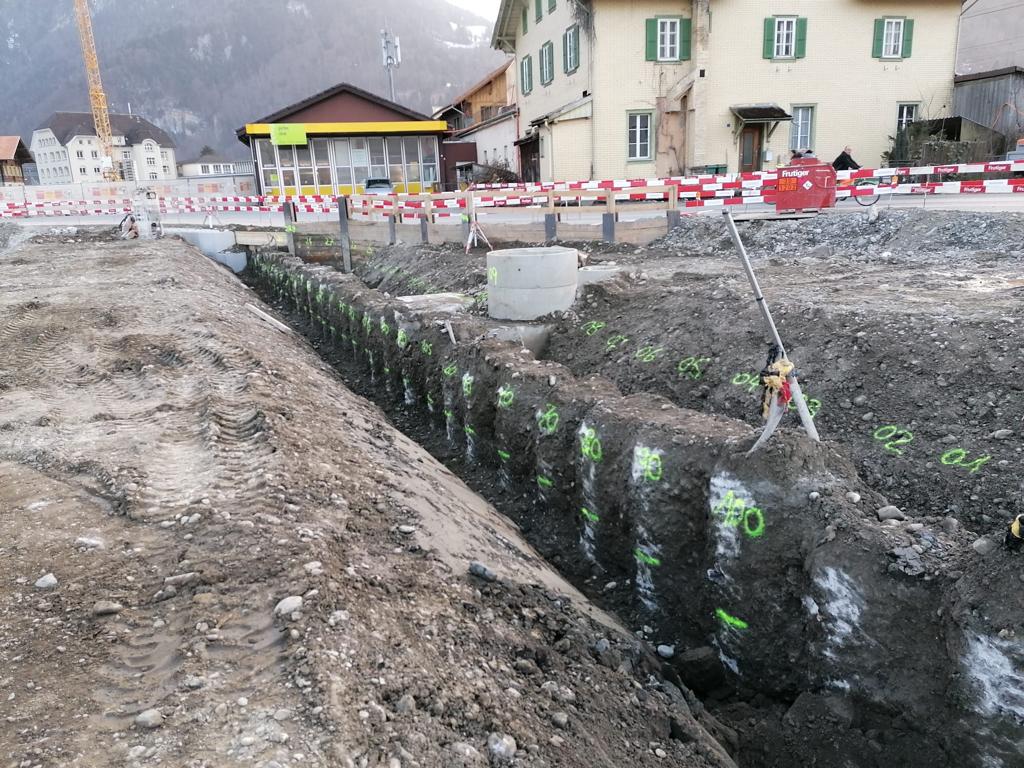
Engineers often select boring pile walls for large companies because they provide very good stability in difficult soil needs. This process affects drilling deep holes which are then filled with concrete and reinforced with steel dishes. You see these walls mostly around deep basements or near roads where ground movement is a major concern for developers. It is quite a reliable way to keep things steady while excavation happens right next to existing buildings without causing any unwanted structural shifting issues.
Planning the construction process phase
Every single site needs a very specific design strategy before any heavy machinery starts digging into the earth. Specialists calculate the depth and diameter of each bored pile wall based on the local geology and the total weight of the future structure above. It is really important to check for underground pipes or old foundations that might be hiding under the surface. Being prepared helps everyone avoid costly delays and keeps the project moving along at a steady manageable pace throughout the year.
Managing the concrete pouring stage
After drilling is done teams drop in cages made of strong steel before filling the hole with a wet concrete mixture. A bored-down wall works because of how these individual columns interlock or sit close jointly to form a solid barrier against the surrounding dirt. The quality of the concrete mix matters a lot here to ensure that the wall stays waterproof and firm for multiple decades. Workers must be careful to avoid air gaps that could weaken the wall over time.
Benefits for big city projects
Urban centres love this method because it creates very little vibration compared to driving metal sheets into the ground with loud hammers. Since modern bored pile wall installation is much quieter it allows contractors to work in busy neighbourhoods without disturbing all the residents too much. This leads to the city’s clever desire for overhead or tunnel construction where space is tight and noise laws are strict. Today performance and protection are paramount to their complex technical and engineering responsibilities.
Safety and site equipment needs
Safety is always the number one thing when you are managing heavy drilling rigs in a busy construction area. Proper training is important for all those working near the drill and stud wall company as this machine is large and moves around the block quite a bit. Keeping the area fenced off and well-marked prevents accidents and keeps people away from deep open shafts. Good site management means that every team member knows the plan and understands exactly where they should be standing at all times.
Looking at long-term durability
Once finished, these deep foundations are built to last for a long, long time under heavy pressure. A bored pile wall handles lateral earth loads better than many other common foundation types used in standard home building projects. Because the concrete is reinforced and anchored deeply into the stable layers of rock or clay, it stays put even when the water table changes. This creates a lasting peace of mind for the owners who occupy the building once the final construction work wraps up.
Conclusion
In the end choosing the right foundation strategy depends on the specific site requirements and soil makeup of your project. You can find detailed technical resources about these systems at Brextor.com to help your team make informed decisions during the early planning stages. Proper engineering and careful execution are the real keys to getting the best possible structural results for your next big development. We hope this brief overview clarifies why these walls remain essential for modern building safety so please get in touch with a licensed specialist to discuss your specific site needs today.


