Blue is one of the trickier shades to build with naturally derived ingredients, so the recipe has to lead the decision. A developer considering gardenia blue should look at pH, heat exposure, light, solubility, and the finished product’s appearance before choosing a format. FoodRGB offers several blue systems for food and beverage use, but each one has its own working range. Testing in the actual formula helps show whether the shade stays bright, disperses evenly, and fits the process without creating extra formulation work later.
Gardenia Blue Has a Broad Range
FoodRGB describes Gardenia Blue as a water-soluble color made from gardenia-derived material and offers powder, liquid, acid-stable, and custom options. Its published information shows a stable color tone from about pH 4.0 to 10.0, with an acid-resistant option designed to avoid precipitation between roughly pH 2.5 and 4.0. That gives developers useful flexibility across beverages, frozen drinks, confectionery, ice cream, juices, smoothies, and baked products. Even with that range, the final recipe still needs to prove the color under real production conditions.
Acid Conditions Matter
Acidic foods can make blue formulation more complicated because some pigments lose intensity, shift tone, or become less compatible as pH falls. This is where a product-specific trial becomes more valuable than a general color chart. A fruit drink, sour candy, and frozen beverage may all sit in different acidic environments even if the target blue looks similar. Developers should measure the finished formula, not just the base, then repeat the color check after acids, flavors, minerals, and sweeteners have been added in their normal production order.
Where Spirulina Fits
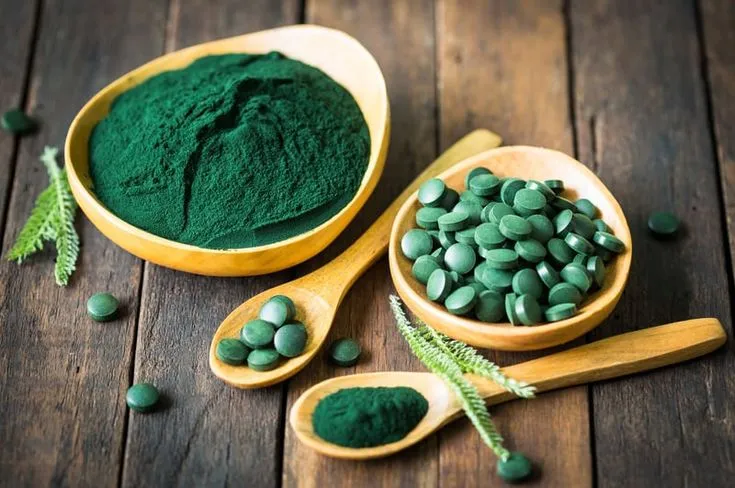
Spirulina offers another route to blue, but it works under different conditions. FoodRGB’s Spirulina Extract Color is based on phycocyanin and is available in powder, liquid, oil, and custom formulations. The company lists a useful pH range of about 4.5 to 8.0 and describes fair heat and light resistance. That makes spirulina worth testing in beverages, confectionery, seasonings, jelly, and frozen products where processing is not excessively harsh. Its bright blue appearance can be attractive, but the formula still decides whether it is the better fit.
Heat Can Separate the Options
Two blue colors may look nearly identical before processing and behave very differently once heat is involved. Spirulina generally suits milder processing conditions, while FoodRGB presents Gardenia Blue as having stronger heat and light resistance across several applications. That difference can matter in baked goods, heated fillings, or products that pass through thermal treatment. Manufacturers should still test the exact time and temperature used on their own line. Looking at the product again after cooling gives a more useful answer than judging either pigment before processing begins.
Applications Need Different Thinking
A clear beverage, an opaque ice cream base, and a gummy do not display blue in the same way. Proteins, fat, solids, and air can soften or deepen the visible shade, while transparency can make small color differences easier to notice. The physical format also matters. A water-soluble pigment might work naturally with one recipe, but an oil-compatible system might be more practical elsewhere. Developers can save time by testing each blue in the intended product rather than assuming a successful result in one application will transfer directly to another.
Scale and Shelf Testing
Bench work is only the first checkpoint. Larger tanks, longer transfers, different mixing patterns, and raw-material variation can change how evenly a color moves through production. Once a pilot batch looks right, the product should also be checked during realistic storage. Packaging, light, oxygen, and temperature can influence appearance over time. Clear bottles and wrappers create a different environment from opaque packs. Keeping samples from production trials and reviewing them at planned intervals helps teams compare blue options on consistency, not just on how impressive they look when freshly mixed.
Conclusion
Gardenia Blue and spirulina both give manufacturers useful natural blue possibilities, but they should not be treated as interchangeable ingredients. Their pH ranges, heat response, formats, and application strengths differ enough that the recipe and process need to guide the choice. Manufacturers can use foodrgb.com to review blue color options and technical support for specific products. The strongest decision comes from testing the complete formula, following the real production route, and checking the finished product again during storage rather than choosing a pigment from its initial shade alone.